
The recent nomination of Kevin Warsh as Federal Reserve Chair brings significant implications for the U.S. economy tariffs and cryptocurrency markets, as his potential policies could reshape monetary concerns in 2023 and beyond. It’s crucial for stakeholders to understand the ripple effects of these developments right now.
Implications of Warsh’s Nomination on U.S. Economy Tariffs
Kevin Warsh’s appointment signals possible shifts in trade policy that could impact U.S. economy tariffs significantly. Historically, Warsh has been critical of expansive monetary policies, pushing for a more disciplined fiscal approach. His leadership might invoke changes that align with traditional economic philosophies that support free trade while balancing protectionist sentiments. As the political climate evolves, stakeholders should closely analyze how such shifts could recalibrate existing tariffs and stimulate overall economic performance.
Immediate reactions from various economic sectors are expected. For example, industries heavily reliant on imports could face increased costs, leading to heightened prices for consumers. Furthermore, sectors experiencing modest growth might adapt their strategies to align with potential tariff adjustments. The ramifications could ripple through supply chains, ultimately impacting consumer behavior and economic growth.
The Immediate Repercussions for Cryptocurrency Markets
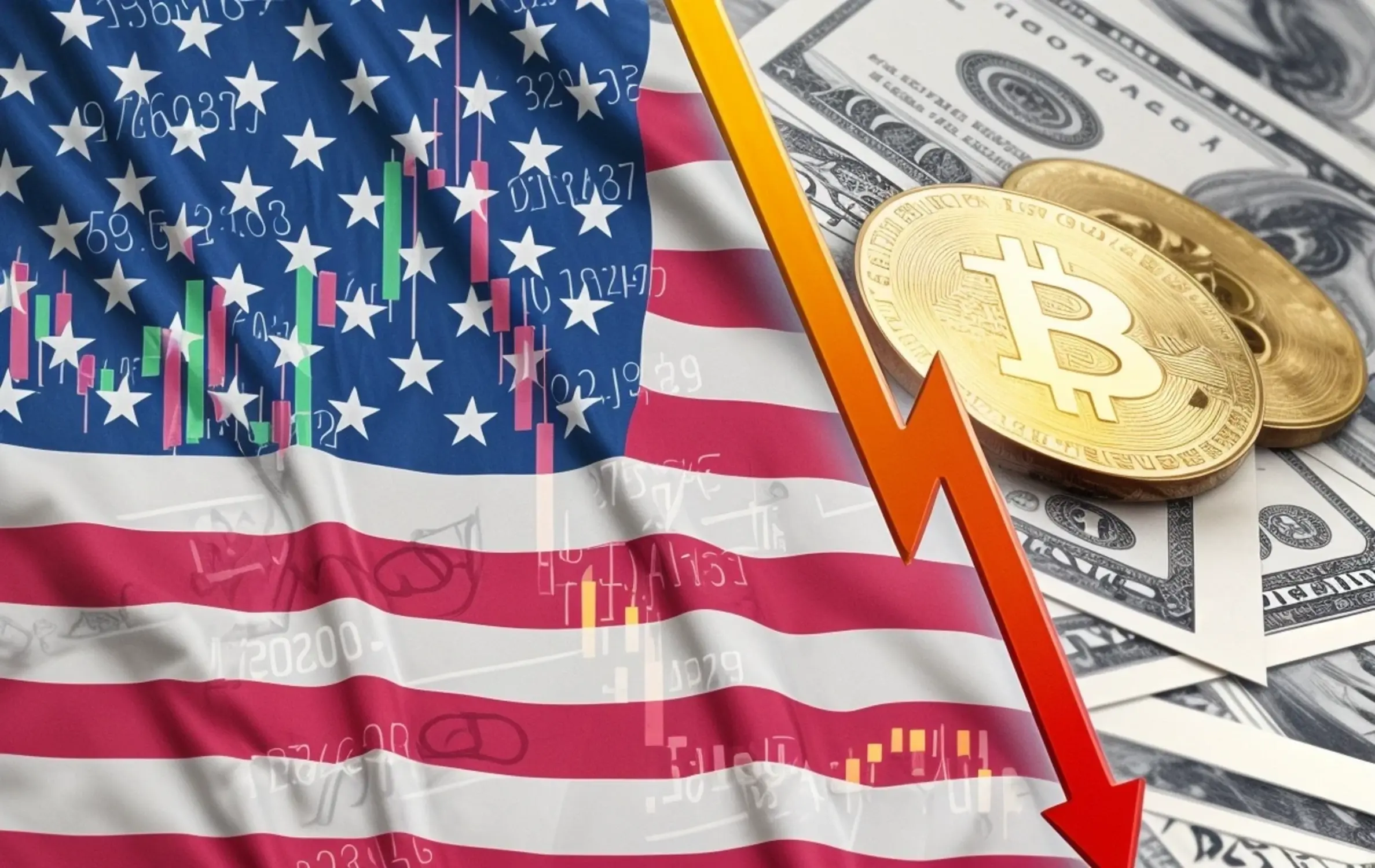
Following Warsh’s nomination, significant fluctuations surfaced in cryptocurrency markets, particularly with Bitcoin’s price. Reports indicate that Bitcoin has dropped nearly 14% immediately following the news, showcasing market anxiety surrounding Warsh’s hawkish monetary stance. According to recent analyses, investors are starting to question Bitcoin’s stability as a reliable store of value in the context of altering economic policies.
Market sentiment has turned cautious, with many investors adjusting their cryptocurrency investment strategies to mitigate risks associated with potential regulatory changes. An environment underscored by uncertainty could lead to volatility, prompting investors to explore alternative digital asset classes or even reconsider their positions in established cryptocurrencies.
Current Market Sentiments and Economic Trends
Kevin Warsh’s nomination comes amid a backdrop of evolving economic trends, with many analysts predicting that his policies will play a crucial role in shaping future market dynamics. The interplay between tariffs and cryptocurrencies presents a complex landscape for stakeholders. Market experts indicate that as monetary policies shift, the impacts will reverberate across various sectors, impacting the overall performance of cryptocurrencies as well.
The immediate effects on financial markets following Warsh’s nomination have been notable. Investors closely monitoring changes in interest rates expect tariffs to play a pivotal role in influencing inflation and consumer sentiment. As historical context suggests, alterations in tariff structures directly affect consumer pricing and economic behaviors, making it essential for stakeholders to navigate these developments astutely.
Understanding Trade Tariffs and Their Economic Impact
Trade tariffs have historically played a vital role in shaping the U.S. economy, serving both protective and revenue-generating purposes. In the past, tariffs oscillated between encouraging domestic growth and provoking international tensions. Warsh’s potential influence on tariffs could restore balance, particularly for sectors currently experiencing detrimental effects from previous tariff implementations, such as farming and manufacturing.
Furthermore, an understanding of how changes in tariff policies revolved around inflation and consumer spending is crucial. Industry experts note that fluctuations in tariffs can lead to significant price increases, influencing buyer behavior and subsequently affecting economic growth. Given these nuances, the role of tariffs remains a critical factor in maintaining a healthy economic landscape.
Analyzing Bitcoin’s Price Volatility Amid Policy Changes
The volatility of Bitcoin’s price following Warsh’s nomination underscores a broader trend in the cryptocurrency market. Since his nomination, Bitcoin has experienced a notable drop, with prices remaining substantially below historical records. This raises questions about its status as a hedge against economic uncertainty.
As financial experts suggest, Bitcoin’s resilience depends on several factors, including market perception of regulatory policies and overall macroeconomic conditions. The interplay between Bitcoin’s price movements and Warsh’s policies continues to be contradictory, reflecting a market struggling to determine its standing amidst tight monetary control and potentially new regulatory frameworks.
What Stakeholders Can Do in This Economic Landscape
In light of the potential shifts in U.S. tariffs and cryptocurrency markets under Warsh’s leadership, stakeholders will need to devise effective strategies to navigate these changes.
Investors can consider:
– Diversifying their portfolios to include stable assets to mitigate risks associated with volatility.
– Staying informed on regulatory changes that could influence currency markets.
– Engaging in regular market analysis to track price movements and economic indicators.
Small businesses can take steps to mitigate tariff-related risks, including:
– Evaluating supply chains critically to account for potential tariff impacts.
– Exploring local sourcing options to minimize import dependency.
– Utilizing financial instruments to hedge against exchange and tariff fluctuations.
Future of U.S. Tariffs and Crypto Markets Under Warsh
Looking ahead, the long-term vision for U.S. tariffs and crypto markets under Warsh’s influence holds substantial implications. There exists a delicate balance between pursuing economic growth and implementing necessary regulatory measures. If Warsh upholds a hawkish stance, it may lead to tightened fiscal policies, impacting both tariffs and the trajectory of cryptocurrencies.
Some analysts speculate that the future could see cryptocurrencies struggle to maintain their status as reliable investment vehicles. Alternatively, Warsh’s policies could spur innovations within financial technology that strengthen the position of cryptocurrencies. Ultimately, understanding these dynamics will be pivotal for anyone engaged within these markets as they navigate the uncertain waters of economic change.



More Stories
Why AI Is About to Change Everything in Cryptocurrency Investments
The Hidden Truth About Crypto Security Trends After Major Oracle Hacks
Why Bitcoin Circular Economies Are Set to Empower Peruvian Families